reminder to myself about the process of drafting & revising:
- first drafts are for making it exist
- second drafts are for making it functional
- third drafts are for making it effective
Tag: editing.
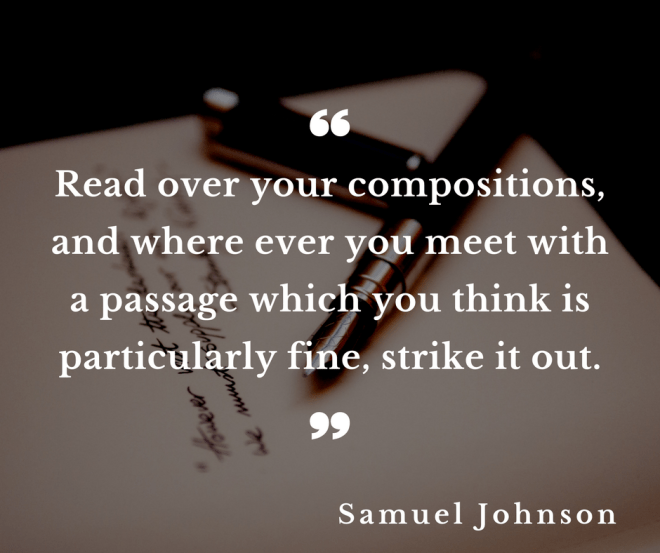
Aka “Kill your darlings.” I don’t agree with this 100%, but if you’re having an impossible time getting a story into shape, check to see if there’s a sentence or passage that you’re completely attached to and are resistant to editing or deleting. Then get rid of it, and see what happens.
Also, having recently published a few short stories I can report that the sentences I was most blindly attached to were the ones that the editor wanted to strike out before printing. I hated the idea at first, but after listening to their logic, I had to admit they were right: The passage wasn’t doing anything for the story, I was just in love with it… and with my own perceived brilliance.
Just something to think about. Curious to hear other folks’ thoughts on this one!
Constructive Criticism Tips!
Hi! I see a lot of posts going around Tumblr about how important reviews/feedback are and how some writers/readers are unsure of how to do this and that’s what I’m making this post for! So I’m currently finishing my first year as an student and you might ask why this matters for this post? Well, because at school, we do critiques on projects all the time and as such I have some tips for you to consider using when you review a fic, work as a beta, or just want to give some feedback!
Only Give Criticism to People Who Want Criticism
(Keep in mind this does not include nice reviews on fics or other writing)
First off, keep in mind that online writing is not always written with the intention of one day being published. There are a lot of hobbyists on Tumblr doing this for fun, or as an escape, and who don’t want your criticism. As well, even some writers who intend to publish may be in a stage where they are not accepting criticism and it is good to respect that. If you’re not sure if a writer welcomes feedback- just ask! It might vary from project to project.
Also, those blogs that straight up make fun of other peoples’ writing are in no way valid criticism. You’re blatantly making fun of a person’s hard work and I hope none of my followers run this kind of blog because it can be incredibly damaging to a writer’s self esteem, especially if they’re just starting out.
Constructive Criticism
That being said, on to actual constructive criticism! One thing that’s mentioned all the time at my school (especially because at school you have almost no time to change things) is that if, to follow your critique, a person has to start their project over, you haven’t given them constructive criticism. You’ve shot down their idea, and are forcing them to begin again. That’s not how you improve or develop an idea. The best thing you can do is honestly say what you liked about it and what you think could be improved (and how they can go about improving it). And if you can’t find anything good to say? Maybe this isn’t something you should be critiquing. Or maybe you’ve already made up your mind about it before digging deeper. Either way, your criticism might not be as helpful as you might think.
When criticizing always try to think along these lines- this is great, but what can we add/subtract to make it better!
Some things to think about and ask about when giving constructive criticism:
- Pacing? Too slow? Too fast?
- Dialogue. Is it believable? Is there a certain line you loved?
- Characters. Do they have good chemistry? Bad chemistry? Do relationships make sense? Which ones do you love? Is there a character you love to hate? Are motivations believable?
- Is the tense consistent (past, present, future)?
- Did something happen in the scene that didn’t fit? Did something really cool happen that you really liked?
- Did the story surprise you or was it predictable?
- What do you think of the tone of the chapter or scene? Does it match the plot that is unfolding in said chapter/scene?
- Was there a line or section you particularly loved? Why?
- Could you picture the setting?
- Any inconsistencies?
Grammar is often the least important thing if it’s an early draft btw because a lot of the writing might not make it to final draft. Doesn’t mean you can’t point it out, but sometimes it’s a tad tedious.
Remember, keep a balance between positive comments and criticism!
Note to Writers Being Critiqued
You do not have to take all advice thrown at you. In fact, some advice can be really shitty. Look at the feedback critically. If a lot of people are saying the same things, maybe that’s worth looking into. People have various opinions, and sometimes they will conflict with your own, as well as your vision for your writing. Ultimately, it’s up to you what you keep, what you change, what you add, and what you get rid of within your story. It’s your story.
 Nikki Bradley