Why Just About Every Published Book in the World Does 57 Things That Just About Every Book About Writing Tells You Not to Do
#1 The author has made a name for themselves and can do anything they want.
Publishers aren’t as discerning about literary quality if they’ve got a writer who they know is going to sell books. Whereas a newbie might get rejected for having 200 pages of backstory and 16 prologues, an established writer with a sales record can get away with it.
#2 Mainstream readers are not as discerning as people who write books about writing would have you believe.
Books about writing are often written by learned literary folk, whose advice is then (sometimes mindlessly) repeated by everyone else. On the other hand, bestselling novels are often written, and read, by regular folk who don’t give a crap about high literary art. It’s kind of like the difference between what they teach in film school and the reality of blockbuster movies.
#3 Really good writers can do anything they want.
The most hackneyed, clichéd, classically do-not-ever-do-this stuff can be made into pure stylistic genius in the right hands. Two chapters of nothing but dialogue? A book written from the point of view of a dog? Excessive footnotes? Run-on sentences? It’s all been done, and been done brilliantly, by really, really good writers.
This can be frustrating for new writers, who want to be able to follow a clear set of rules in order to be successful. That’s why so many of my posts have caveats like “in general,” “as a rule of thumb,” and “most often.” Because the honest answer to every single question I get is It depends. Which is why I really recommend that writers try to connect with a mentor, editor, or teacher who can read your actual work and give customized feedback. This is rarely cheap. But one or two exchanges with a professional can be worth months or years of reading writing advice books with all their generalized Dos and Don’ts.
Which leads me to…
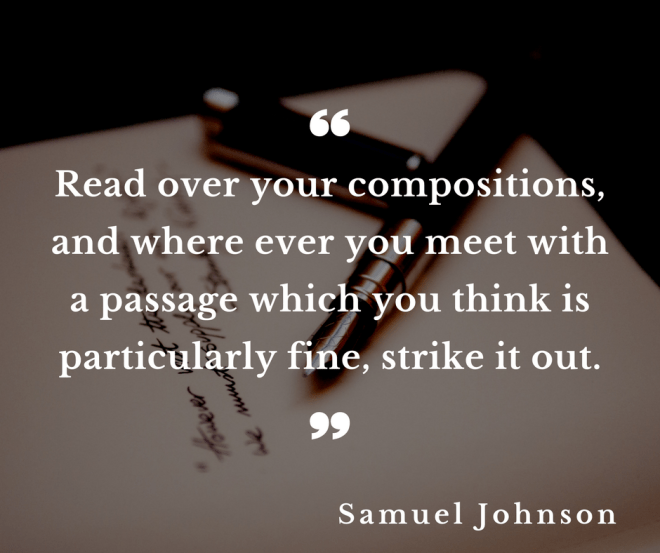
#4 Writing is art. There are no rules in art.
This truth is what makes writing great, and also what makes writing difficult. It’s also why writing books that claim to have all the “answers” sell so damn well. I’m not saying those books aren’t full of mostly true, super helpful guidelines. Back before I had access to any other kind of help and lacked experience, I learned a lot of the basics by reading. So keep reading them! But pay attention to the overstatements, the exceptions, the reality of what excites readers, and, perhaps most importantly, the reality of what excites you. Is a writing book telling you not to do something that sets your soul alight? FUCK THAT BOOK. Do whatever you want. Have fun. Figure out how to be one of the ones who gets away with it.
This inspirational message brought to you by the end of a long day at the end of a longer week. May it rekindle your spirit as it has mine ❤
I want to add in something I learned from music theory that goes along well with writing theory.
You always start with the rules. They’re guidelines to help you build a foundation to stand on as you’re learning the craft. Once you have those rules in place, you start to learn more rules and more rules until finally, you realize the music you love breaks most of those rules.
The thing about theory is learning which rules to break, when you can break them, and why. In early music history and theory, seventh and second intervals were never used because they didn’t sound good to the human ear at that time. Learning that rule establishes a strong sense of dissonance. When you understand that dissonance, you can ‘break’ that rule by using those intervals to create unresolved tension. It’s why the Jaws theme is so captivating – because that minor second interval (an inverted seventh) invokes anticipation and suspense as the audience waits to hear the resolution.
Books and articles are going to teach a classical foundation of writing and it is in your best interest to learn that, to adopt those rules and figure out how to abide by them. Once you understand those rules, you have a better grasp of writing and can use those rules to manipulate your work in ways that invoke strong reactions from your readers.
Rather than focusing on what rules are broken in published books, try and figure how why they were broken and what impact they have on the story.




 Nikki Bradley